
The value of walking is not that it is gentle. It is that it makes places answerable to observation.
Slow travel has become an easy phrase. It suggests patience, depth and a refusal of checklist tourism. Those are useful instincts, but the phrase can become soft very quickly. Walking is not valuable because it is slow. Walking is valuable because it changes the evidence available to you.
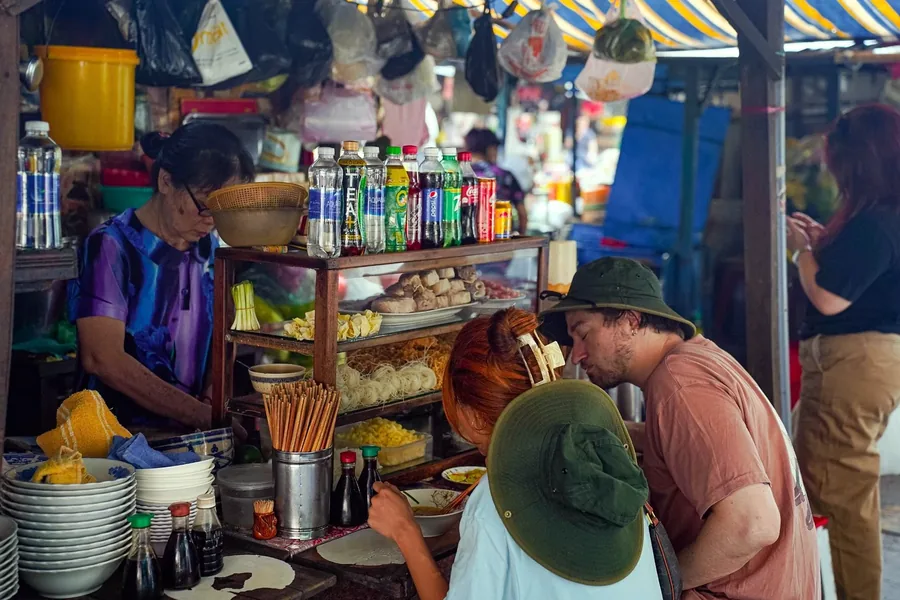
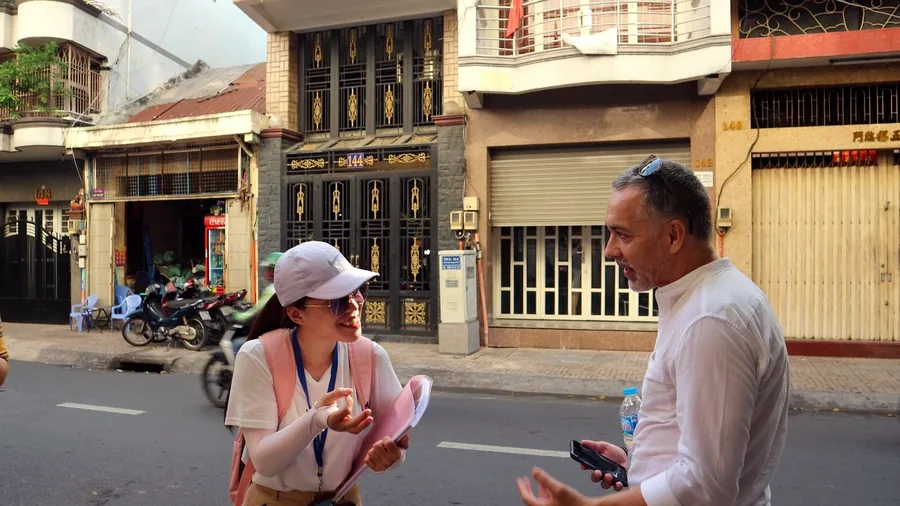
At street level, a place becomes harder to simplify. You notice what does not fit the brochure: the delivery rider waiting beside a shrine, the elderly customer known by name, the colonial facade reused for a different economy, the alley that behaves like a room, the food stall that carries a migration story without advertising one.
This is fieldwork in a modest sense. Not academic extraction, not pretending a two-hour walk can replace deep study, and not turning local life into raw material. It is a disciplined way of noticing. You move slowly enough to ask why a thing is where it is, who uses it, what pressure shaped it, and what larger system it points toward.
Walking is not valuable because it is slow. It is valuable because it changes the evidence available to you.
For educators, walking can prepare students to read more carefully before making claims. It moves discussion from abstraction to evidence. Instead of saying a city is chaotic, students can ask how movement is negotiated. Instead of saying a market is traditional, they can ask which parts are memory, which are commerce, and which are adaptation. Instead of saying a temple is heritage, they can ask what social work it still performs.
For experiential travellers, walking prevents the place from becoming a sequence of highlights. It holds attention on the connective tissue: the route between the famous sites, the ordinary business beside the landmark, the small act that explains more than the monument.
This is also why SaigonWalks can begin in Saigon and move outward to the Mekong, Chợ Lớn, river towns, food systems and future Southeast Asian routes. The method is not tied to a category. It is a way of reading living systems through movement.
Walking is not the opposite of serious travel. Done well, it is one of its clearest forms.