

HCMC field guide
Things to do in Ho Chi Minh City if you want to read the city slowly
A city-level guide connecting markets, Chợ Lớn, foodways, belief, performance, history and walking routes.
Stories on streets, markets, rivers, foodways, belief, migration and the ordinary systems that make places legible at ground level.
Saigon still sits at the centre of the archive, but the lens is wider than the city. These pieces are written for travellers who want context before they arrive, and for anyone curious about streets, markets, ritual life, migration, rivers, port-city memory and the systems that sit beneath the surface of a place.
These essays are written for educators, experiential travellers and partners who want sharper context before entering a place. They connect Saigon streets, markets, temples, migration and the Mekong into one wider field method.
A city-level guide connecting markets, Chợ Lớn, foodways, belief, performance, history and walking routes.
A commercial pillar for private city routes without turning SaigonWalks into a generic activity marketplace.
A city story on canals, Mekong rice, warehouses, hội quán and the old commercial city inside modern Saigon.
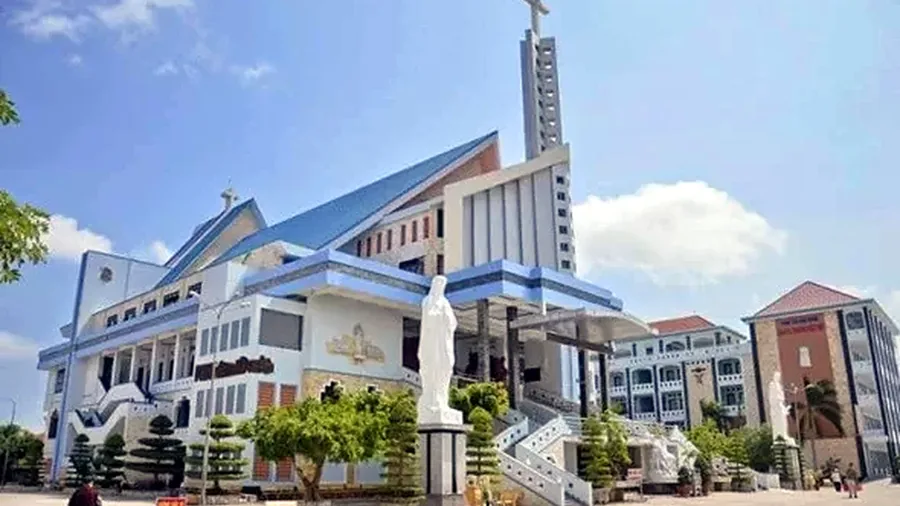
A story on Tac Say, Cha Diệp and the living Catholic pilgrimage culture of the Mekong Delta.
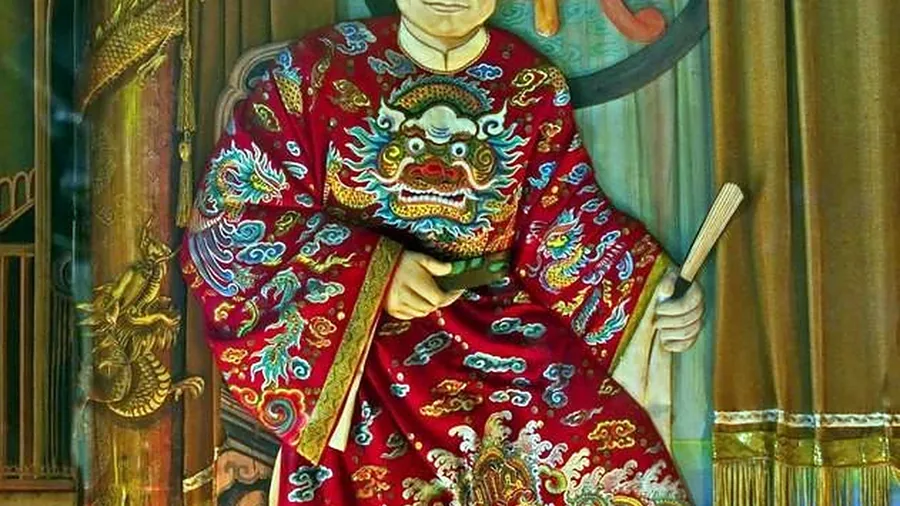
A story on Lăng Ông Bà Chiểu, Lê Văn Duyệt and the older memory of Gia Định beneath modern Ho Chi Minh City.
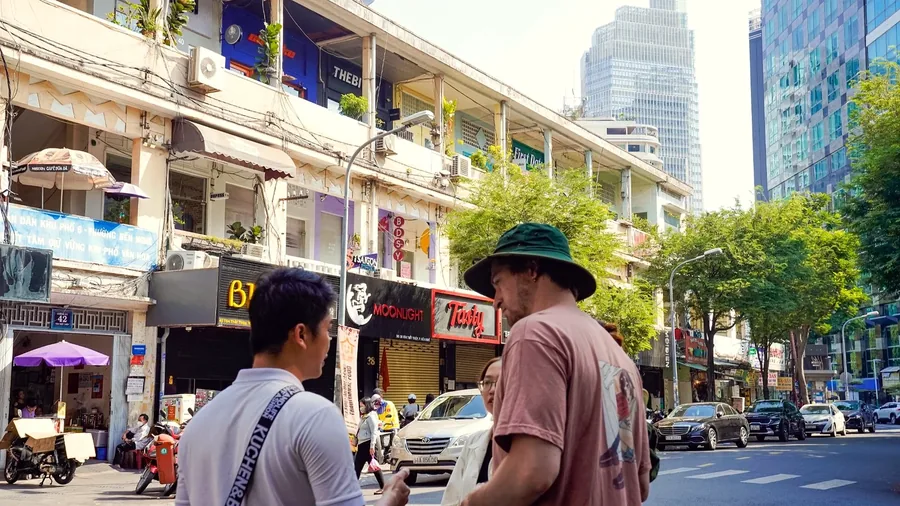
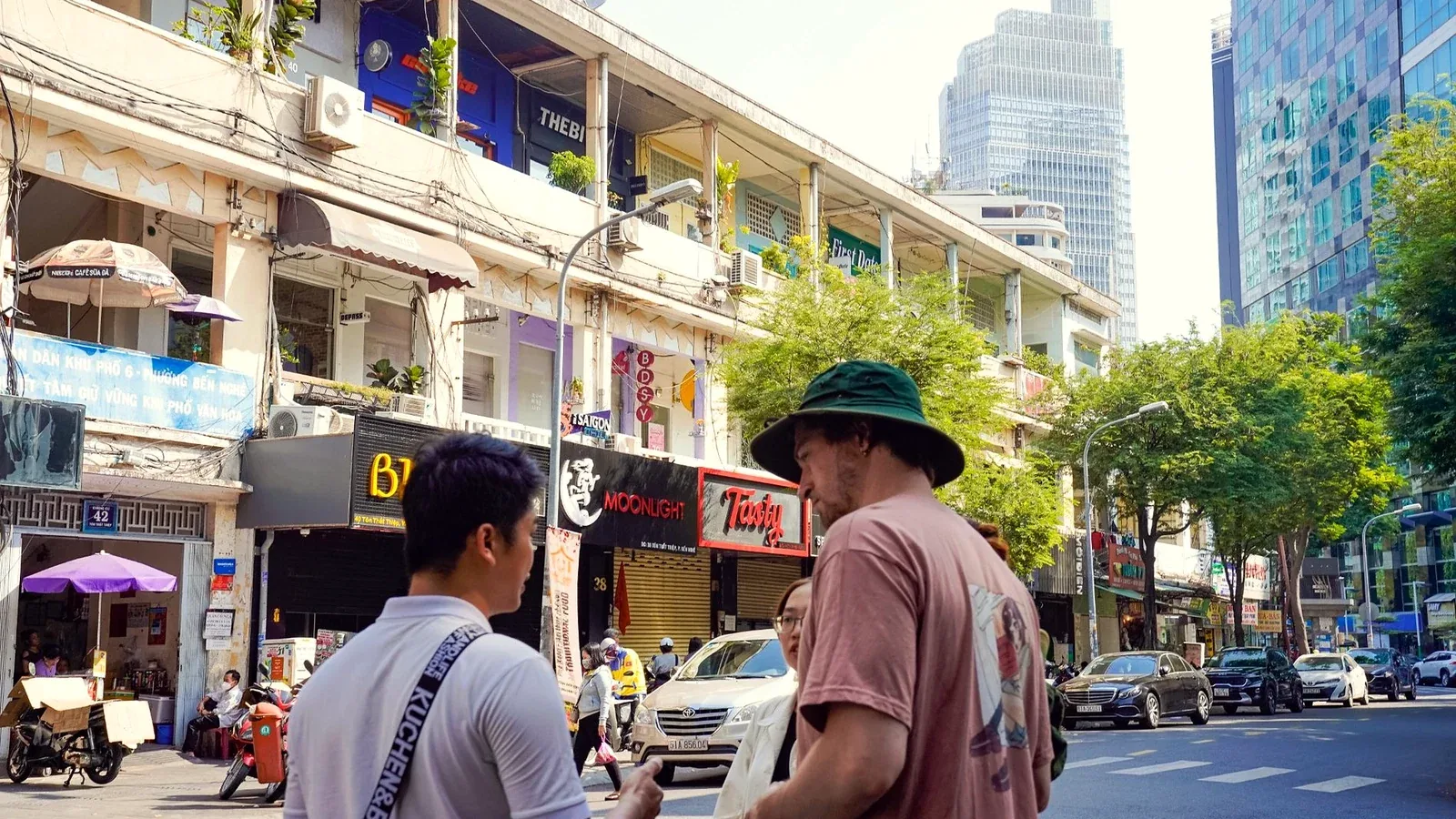
Cars make the city look like traffic. Walking reveals the negotiations that make it work.
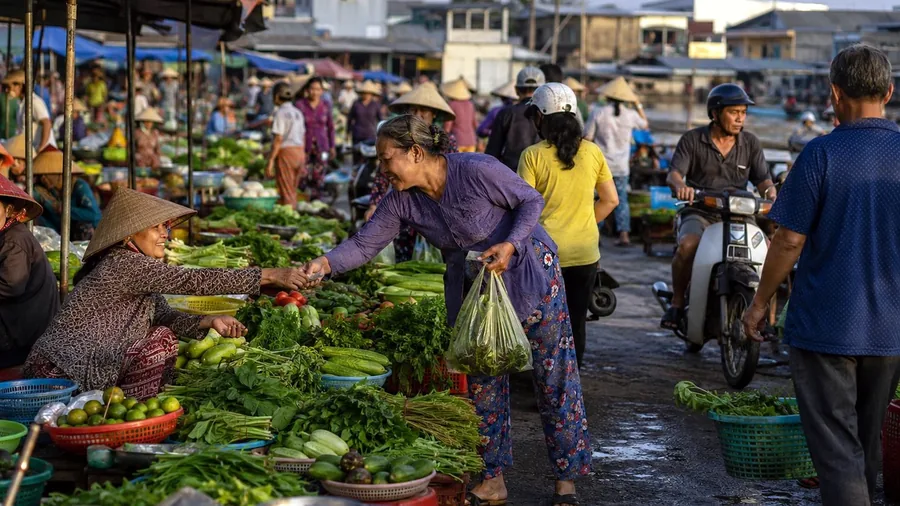
The Delta can be visited in a day. It cannot be understood as one.
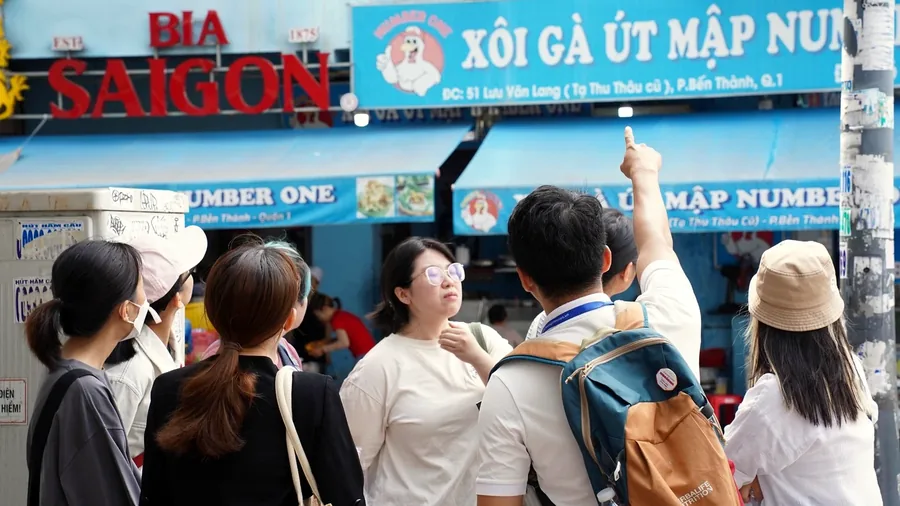
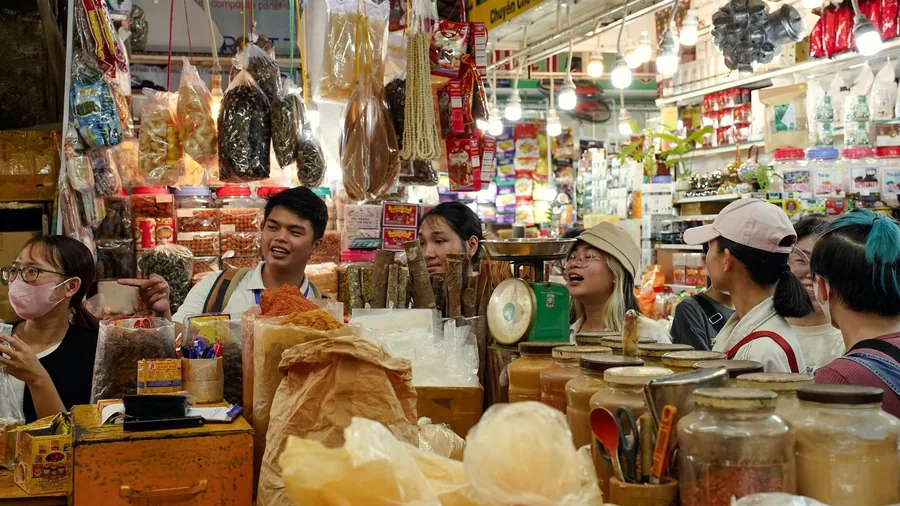
A market is a memory system, a supply chain, a social room and a map of appetite.
The word is convenient. It also hides the Southeast Asian story that makes the district matter.
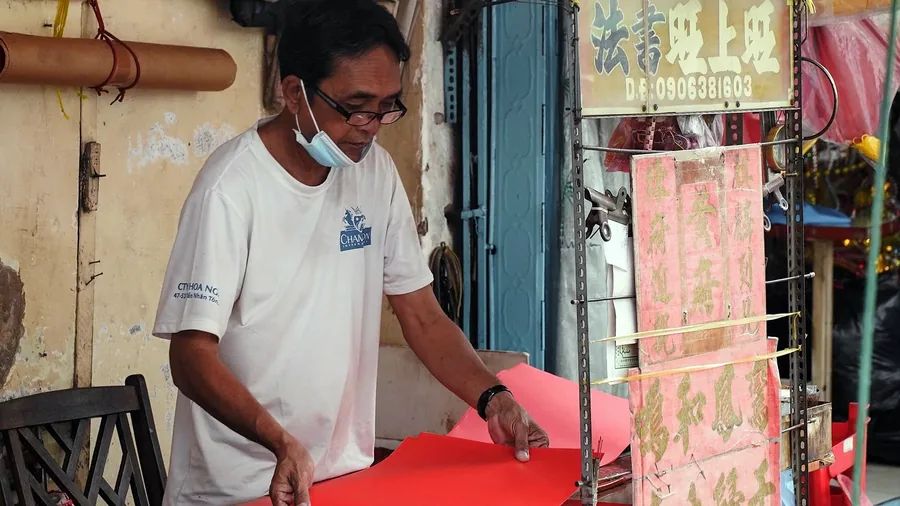
Places of worship are not quiet exceptions to the city. They are part of how the city works.
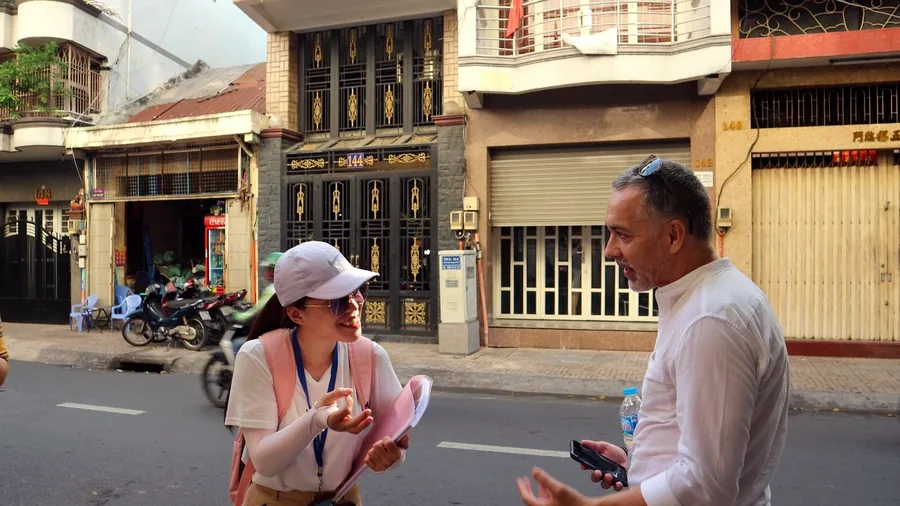
The value of walking is not that it is gentle. It is that it changes the evidence available to you.
Canals, kitchens, floating markets, river towns, climate pressure, local belief and the everyday intelligence of a landscape built around water. This is the first major SaigonWalks page beyond the city walk: a showcase of how a place can be read through movement, food, work, belief and adaptation.
Read the Mekong page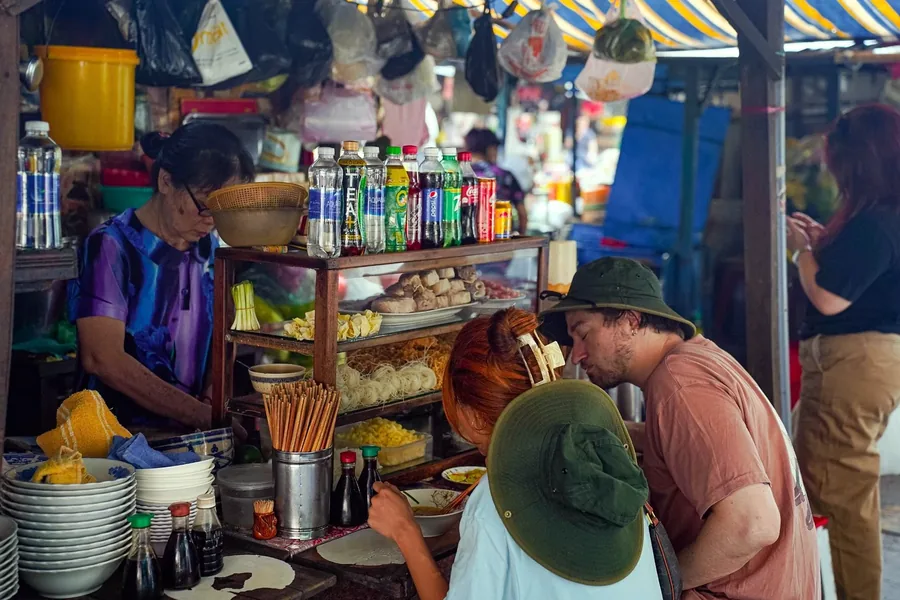
Saigon is not a slow city. But it rewards travellers who learn how to stand inside its speed without letting that speed decide everything they see.
Read the essayThese notes expand the walking route into a wider field sequence: migration, shophouses, street life, breakfast, racket coffee and the subtle Chinese-Vietnamese layers that are easy to miss if the district is treated as a simple Chinatown image.
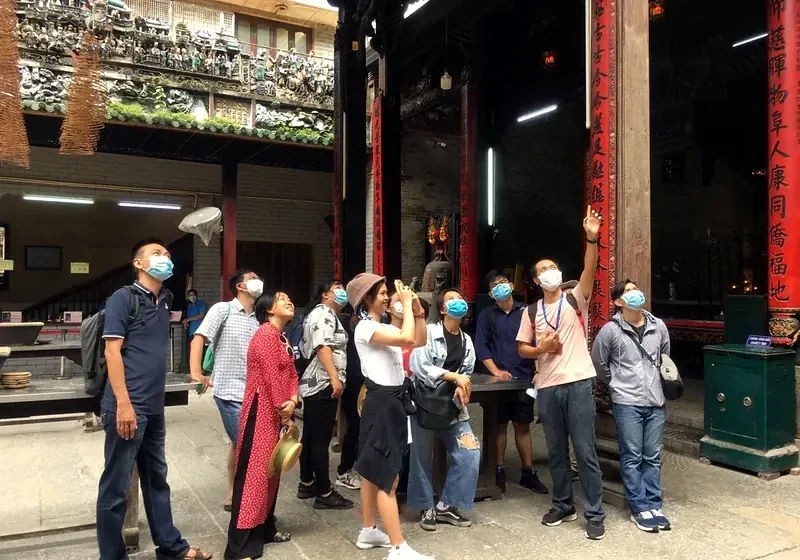
Dialect-group institutions, temples, trade and Southeast Asian migration make the district more than a local Chinatown.
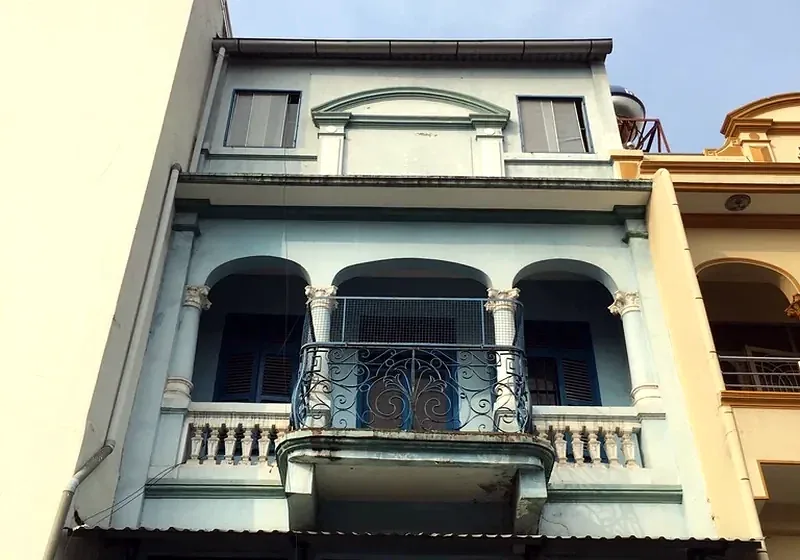
Modest facades, family businesses and old shopfronts can say more about continuity than display.
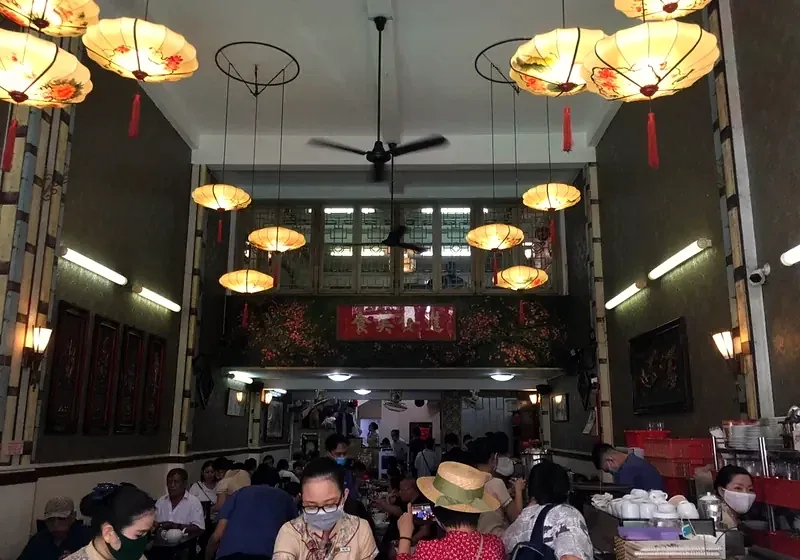
Food, coffee, temples, shophouses and Chinese-Vietnamese street life reveal the district’s layers.
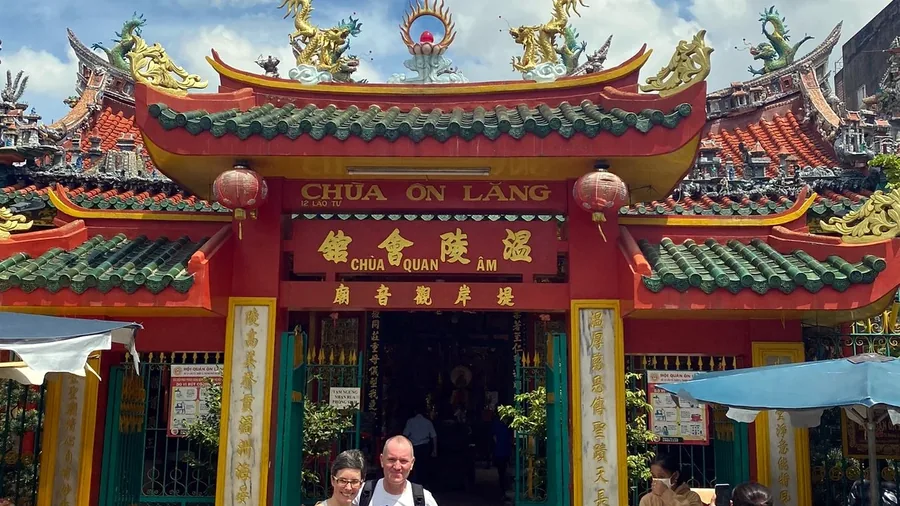
A cup of coffee taken inside the moving life of the market rather than outside it.
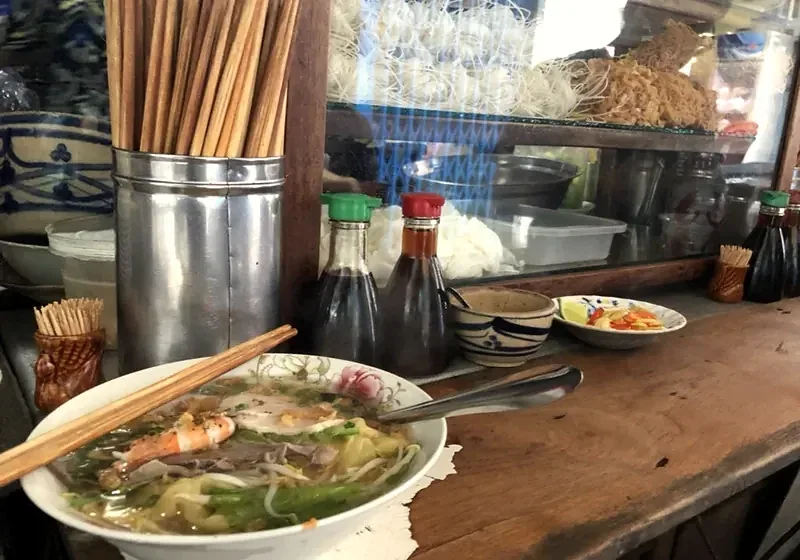
A breakfast bowl shaped by Chinese migration and Southern trade.
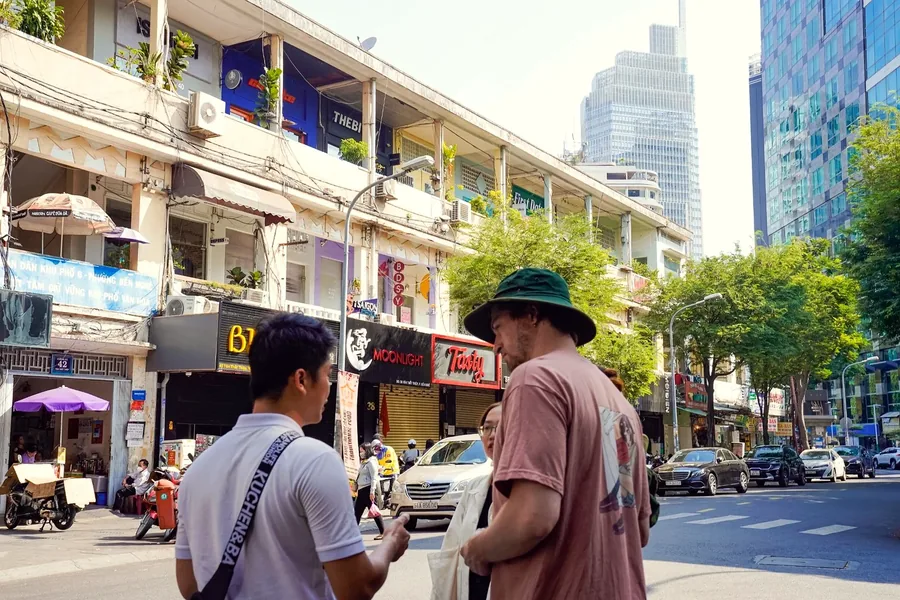
Art, architecture and city memory inside a colonial-era building.
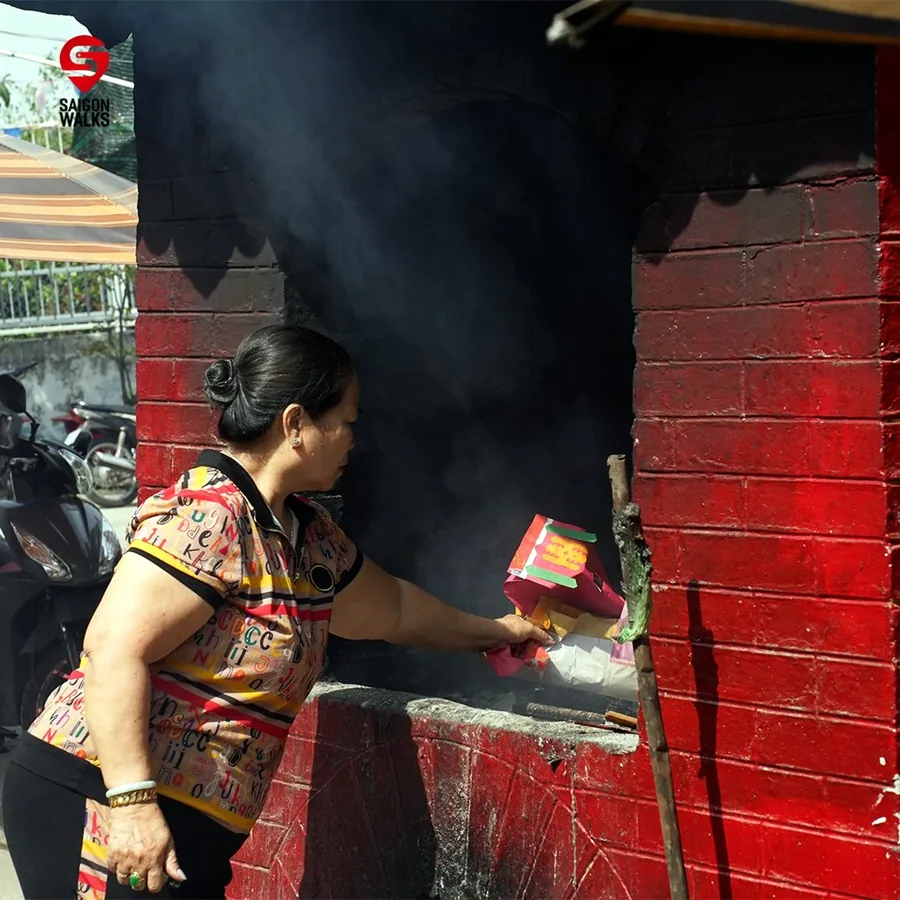
Rice wine, fruit and a seasonal festival that still appears in everyday life.
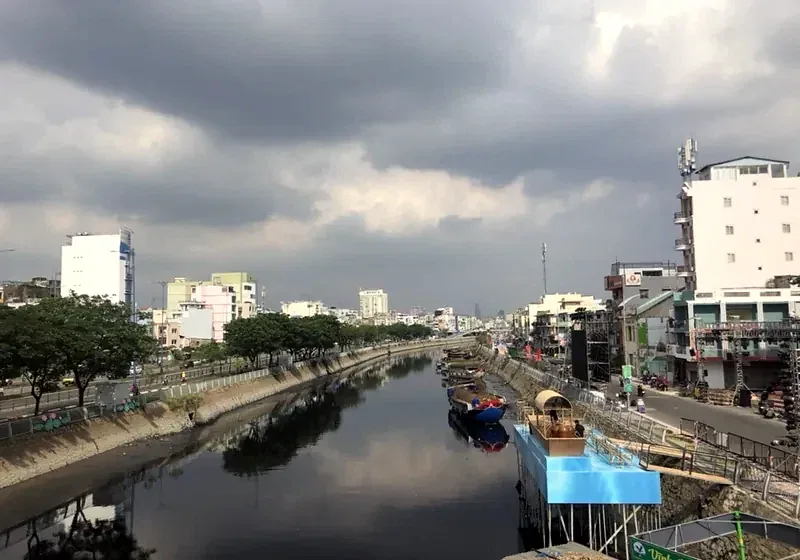
Boats, flowers and old water routes that still shape how the city can be read.
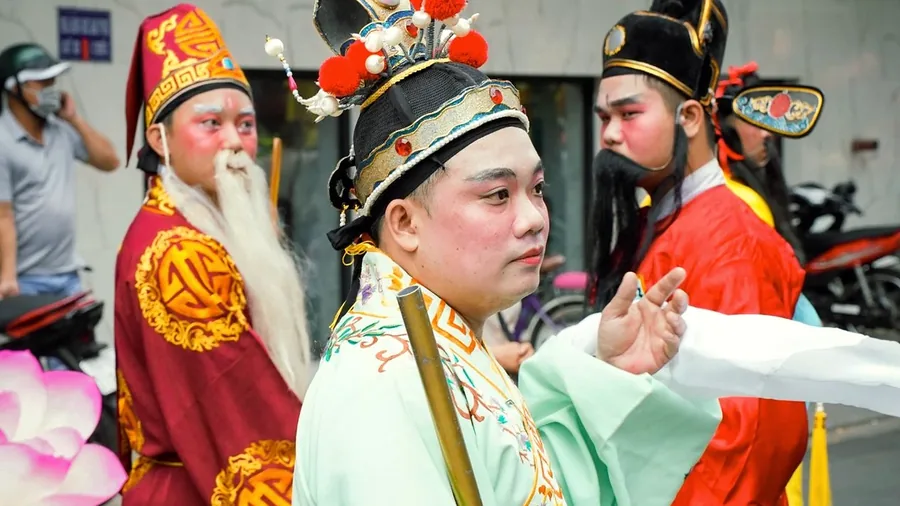
Emotion, migration, music and modern Southern Vietnamese identity.
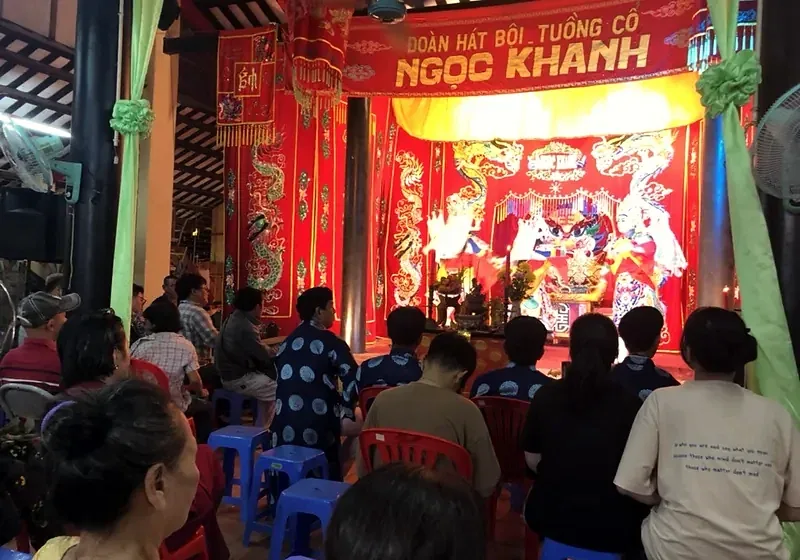
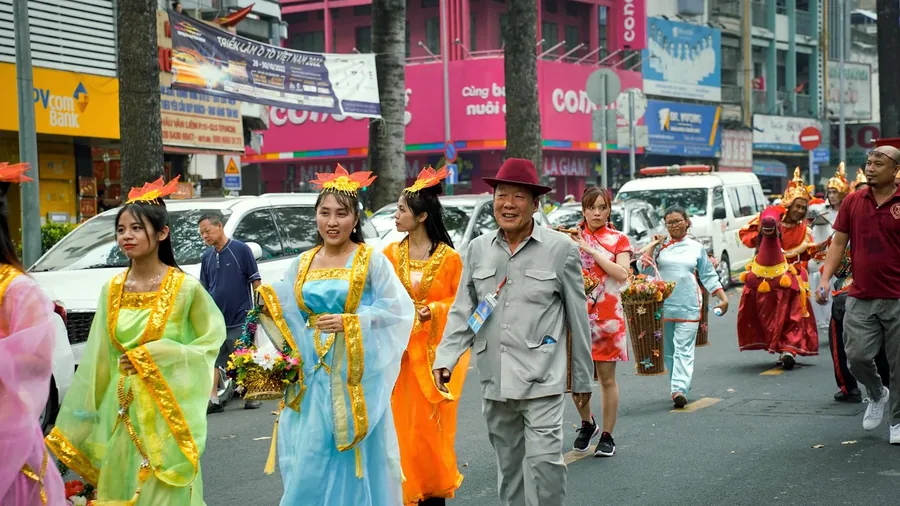
Ritual theatre, ancestor respect and the festival atmosphere around performance.
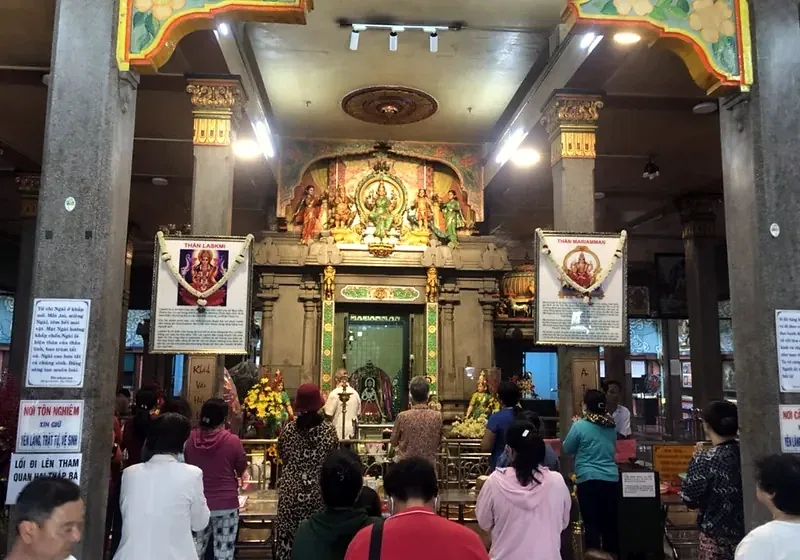
A minority layer visible in worship, trade routes and central streets.
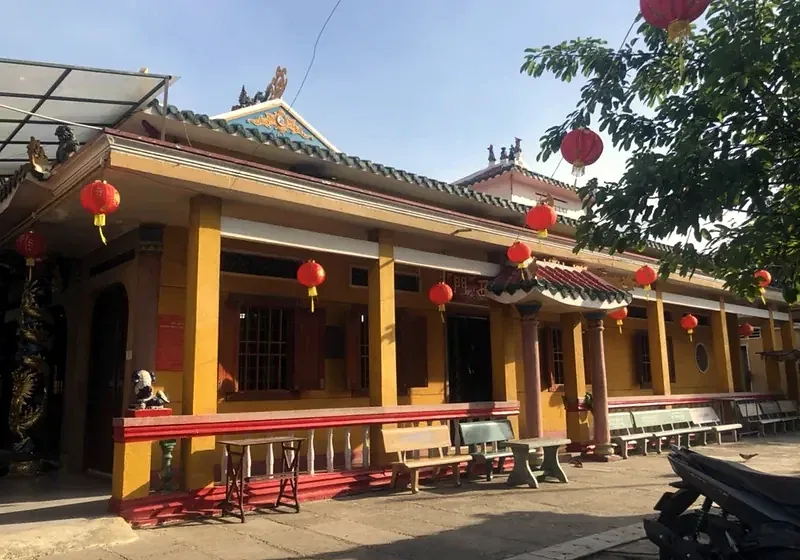
A Southern communal house held together by ritual, architecture and memory.