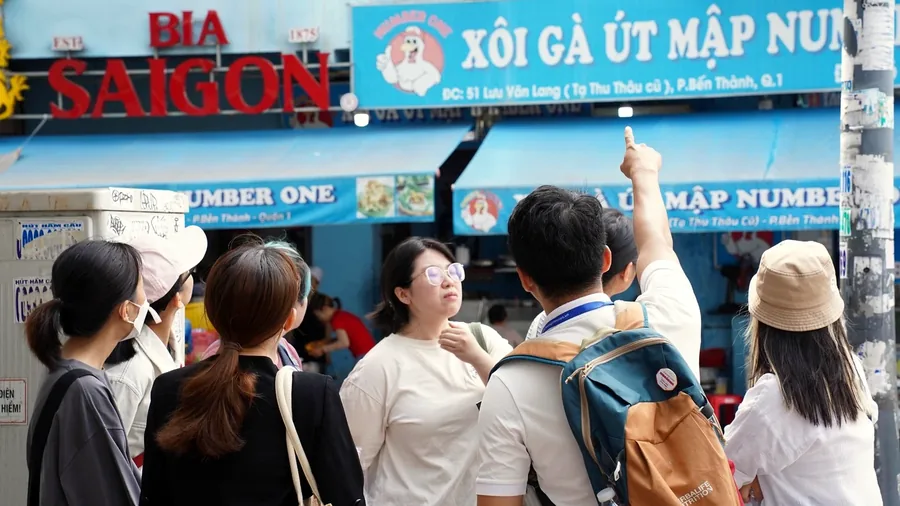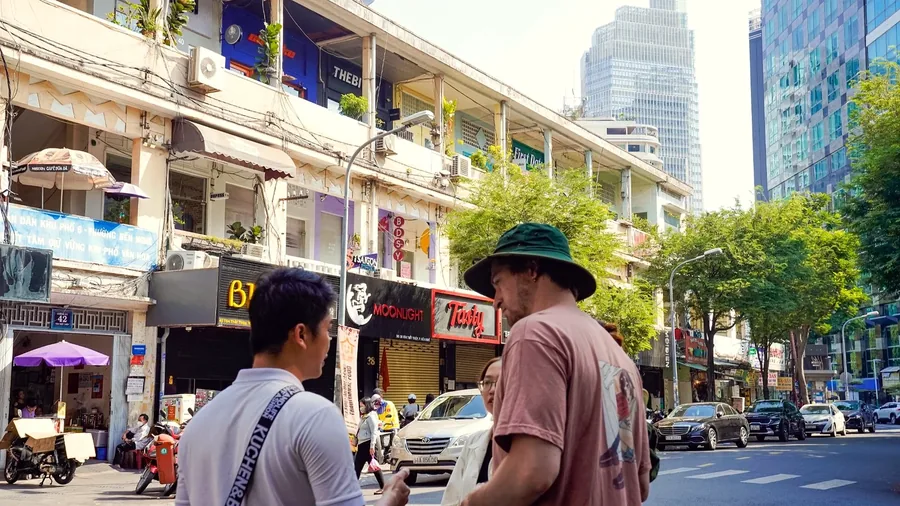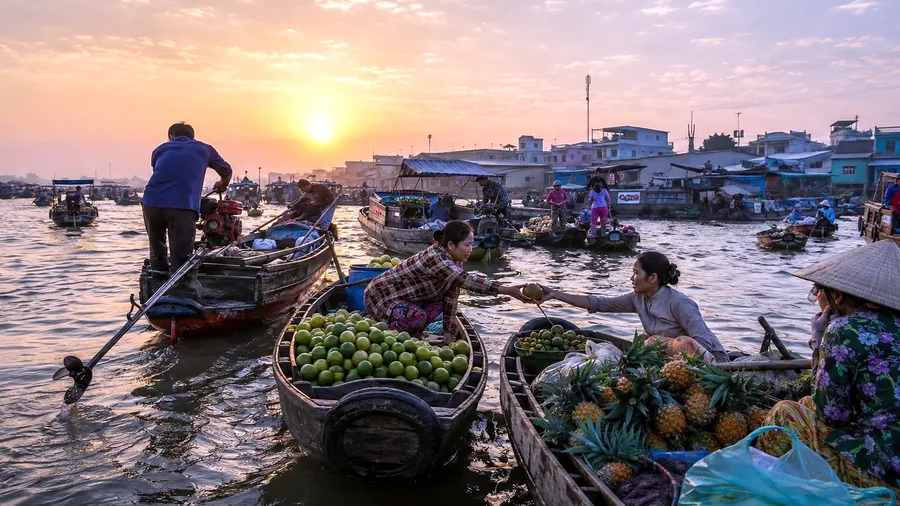

In Saigon, a market is a memory system, a supply chain, a social room and a map of appetite.
The easiest way to misunderstand a market is to ask only what can be bought there. That question works for shopping. It fails for reading a city.
In Saigon, a market is not simply a collection of stalls. It is a memory system. It remembers who sells what, who trusts whom, who wants which cut of meat, which herbs belong with which dish, which breakfast habit survives even when the neighbourhood around it has changed. Prices matter, but they are not the whole language.
Bến Thành is often treated as a postcard or a trap, depending on the visitor’s patience. Tôn Thất Đạm is sometimes described as a market for people who know quality and can afford it. Chợ Lớn markets are folded into older Chinese-Vietnamese commercial routes. None of these places is pure. That is the point. Markets are where the city’s contradictions become visible without needing to be explained in advance.
A market is one of the ways a city remembers how to feed itself.
For experiential travellers, markets are useful because they refuse clean categories. They are food spaces, labour spaces, gendered spaces, logistics systems, neighbourhood archives and stages of negotiation. A vendor’s arrangement of produce is not random. A curry counter is not just a lunch stop. A repeated customer is not just a sale. Each detail carries history, habit and adaptation.
For educators, a market can do what a classroom case study often cannot. It puts economy, culture, infrastructure and taste in the same frame. Students do not have to be told that food is connected to migration, agriculture, family labour and urban change. They can see it, smell it, taste it and then begin to ask better questions.
The danger is turning the market into colour. Photographs of baskets, fish and steam are easy. Reading the system is harder. It requires staying with the ordinary: who arrives early, who buys for a restaurant, which stall holds reputation, which foods travel across communities, which parts of the city still rely on face-to-face trust.
A market is not a place to buy things. It is one of the ways a city remembers how to feed itself.