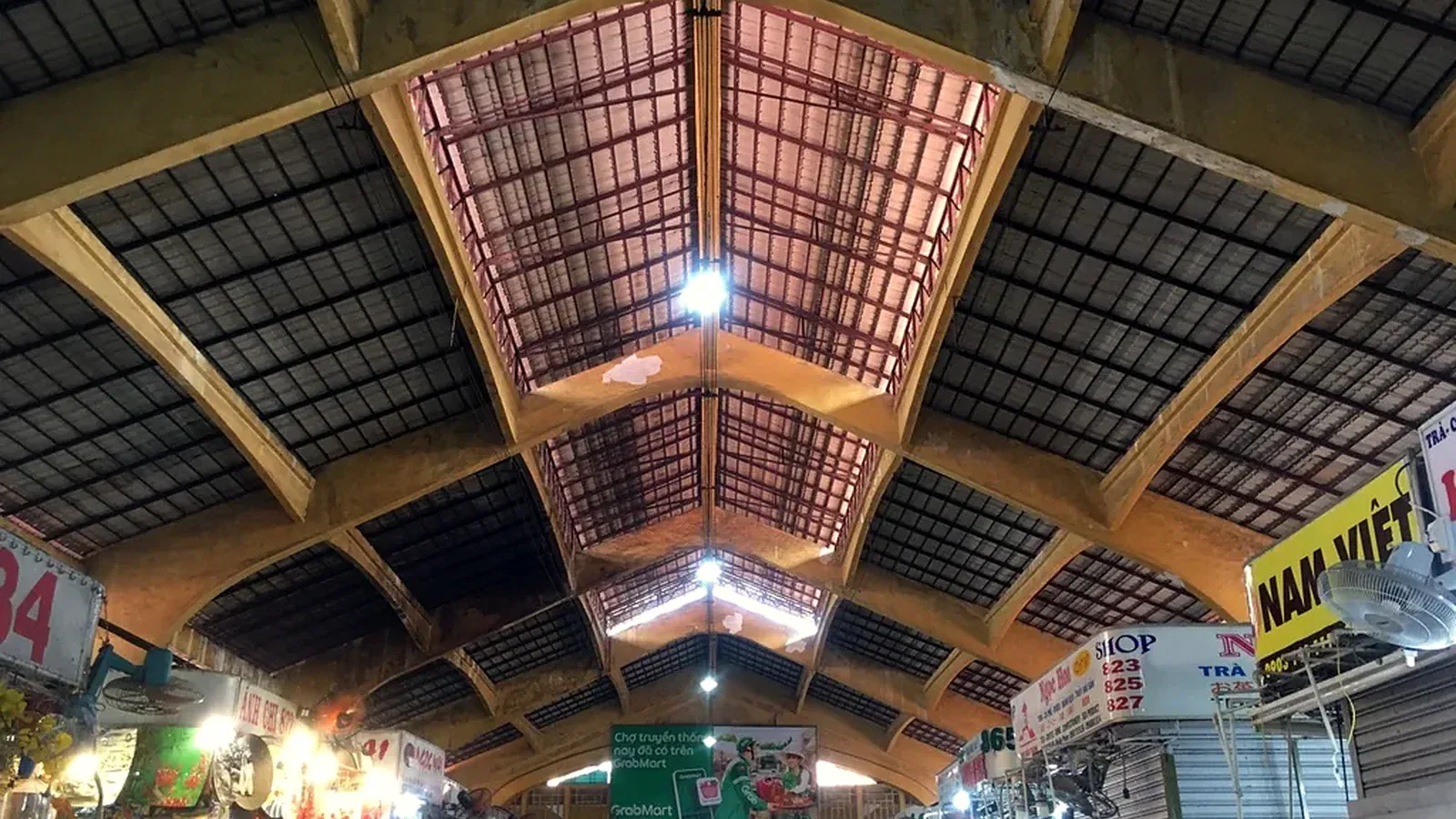
From Tôn Thất Đạm to Bến Thành — a walk through how Saigon moves, eats and trades.
Plan your walk
USD 120 total for 2 adults · USD 75 for 1 adult
Adult examples for the shared format. Select your date and group for the final total, including child rates or the private option.
The walk begins in a part of Saigon that most visitors think they already understand: wide streets, office towers, hotels, shopping fronts and the polished centre that presents itself clearly and efficiently. As the route moves from the older trading pocket around Tôn Thất Đạm toward Bến Thành, that surface begins to shift. Behind the main roads, small alleys open into another rhythm, where breakfast counters, informal vendors, kitchen routines and long-standing habits of exchange continue beside the more visible commercial face of the city.
Within this short distance, Saigon’s history as a trading gateway becomes tangible rather than decorative. Vietnamese, Chinese, Indian and European traces sit close to one another in the way streets are named, food is sold, goods move and communities have occupied the centre over time. What first appears to be a heavily visited district gradually reveals a quieter structure beneath it: a working system of food, movement and commerce that has survived behind the office towers and tourist landmarks, offering a different way to understand an area many people pass through too quickly.
This is a short walk through a small area, but the point is not distance. The value is in noticing how much of the city is compressed into the space between an older market zone and one of Saigon’s most recognizable landmarks: office life and street food, formal commerce and informal trade, old routines and new development, all sitting close enough to be read in a single morning.
The walk gives shape to those contrasts without turning them into a checklist. You follow the city at street level, through food, alleys, market edges and small interactions, so that a familiar central district starts to feel less flat and more layered.
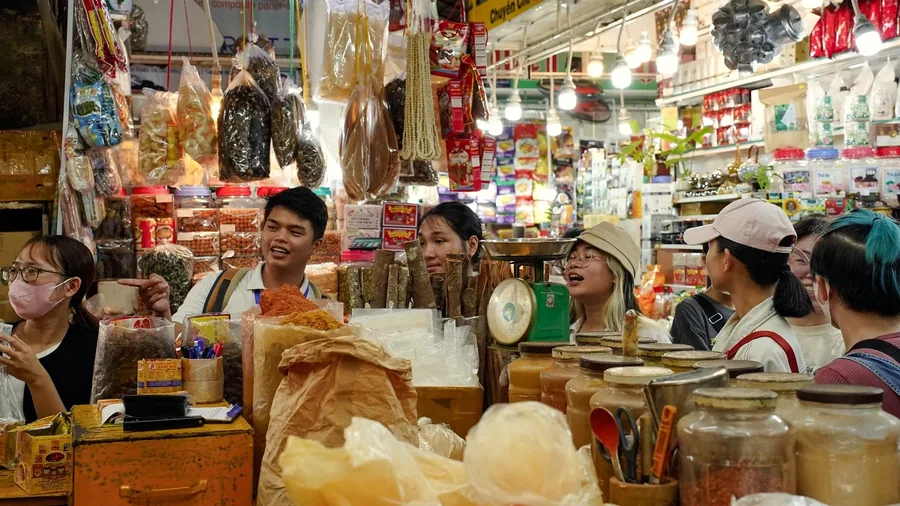
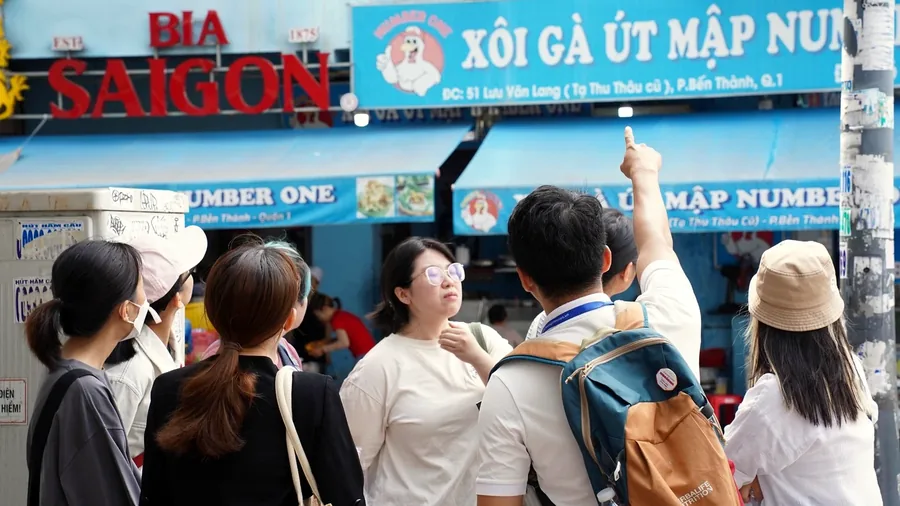
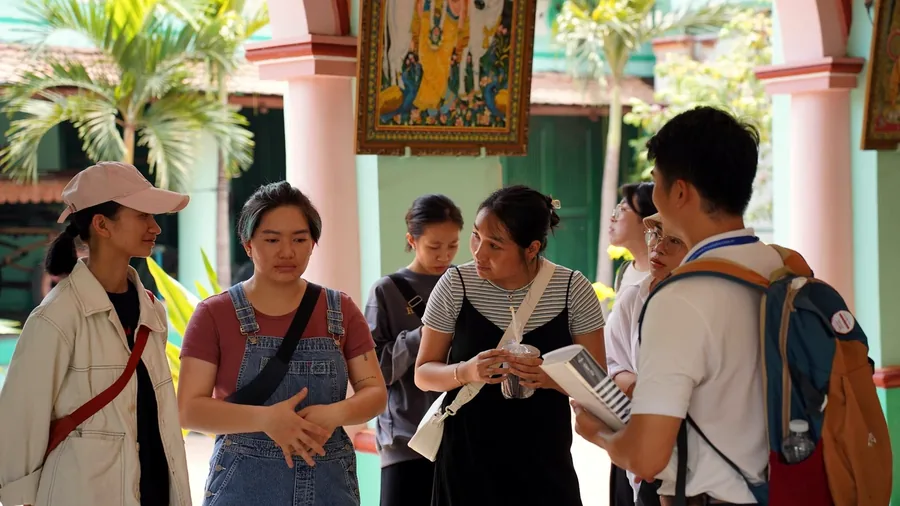
These walks are best treated as starting points. For groups, families, educators or travel partners, this route can be adjusted toward food systems, informal commerce, urban change, market culture or everyday social history.
Next step
Choose your date and group size and book directly with SaigonWalks. Confirmation is sent by email after payment.