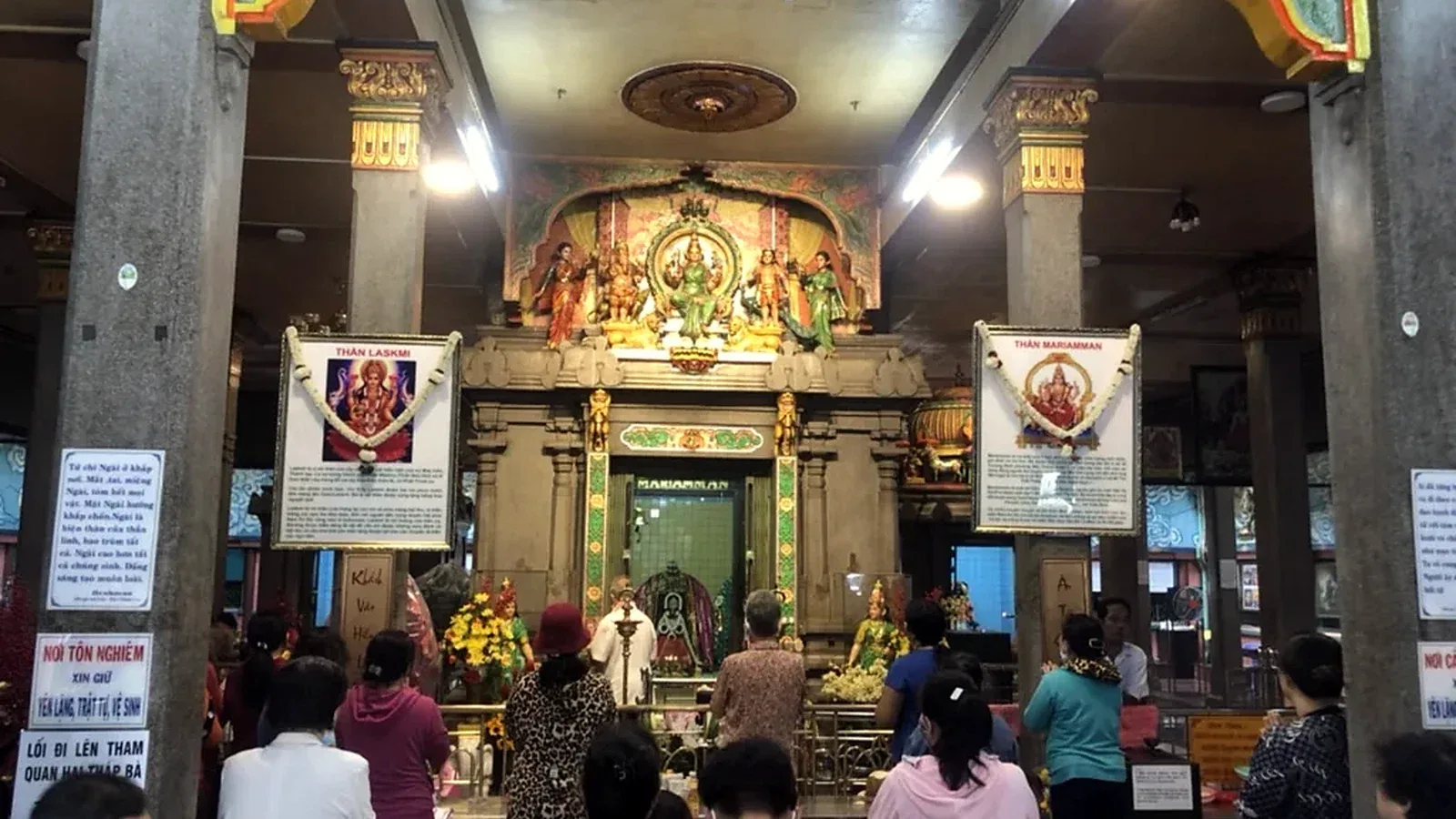
Colonial Saigon is usually remembered through its French buildings and Vietnamese history. This walk follows Indian lives through temples, a mosque, trade, foodways and everyday traces to reveal a more complicated colonial city.
Plan your walk
USD 120 total for 2 adults · USD 75 for 1 adult
Adult examples for the shared format. Select your date and group for the final total, including child rates or the private option.
Colonial Saigon is usually remembered through its French buildings and Vietnamese history. But the city was also home to people arriving through Pondicherry, Karikal, southern India and other parts of the colonial world. They came as merchants, merchant-financiers, milkmen, civil servants, soldiers, artisans and religious communities. Hindu, Muslim and Catholic lives intersected with French imperial institutions and with Vietnamese urban life.
This walk follows public traces rather than pretending a complete Indian quarter survives. Hindu temples, Saigon Central Mosque, market foodways, old commercial streets and stories of work show different ways Indian lives entered the city. Some people came through French India and worked inside colonial institutions; others arrived through British Indian trading networks. Some built businesses and places of worship, while others later became involved in anti-colonial politics. The point is not to turn them into one ethnic bloc, but to use their different lives to read colonial Saigon more fully.
The walk starts at the Youth Cultural House and enters the colonial core along Đồng Khởi before reaching Saigon Central Mosque on Đông Du. From there it turns toward the old commercial world around Hồ Tùng Mậu, then continues through Tôn Thất Thiệp and Nam Kỳ Khởi Nghĩa, where Indian religious and trading histories sit inside streets most visitors read very differently. Mariamman Temple comes later in the route, before the walk finishes around Bến Thành Market. Across roughly 2.5–3 km, the visible sites open onto less visible lives: milk sellers, merchant-financiers, civil servants, soldiers, shopkeepers and families moving through overlapping French, Indian and Southeast Asian worlds.
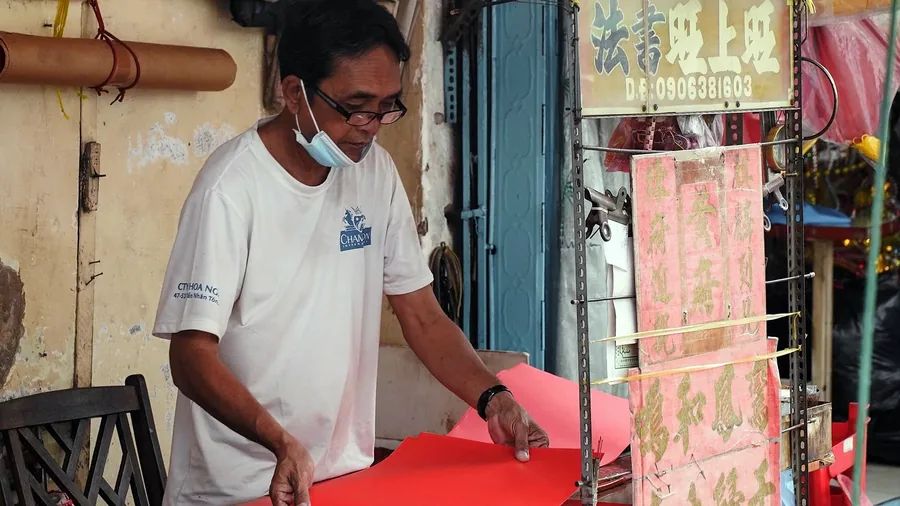
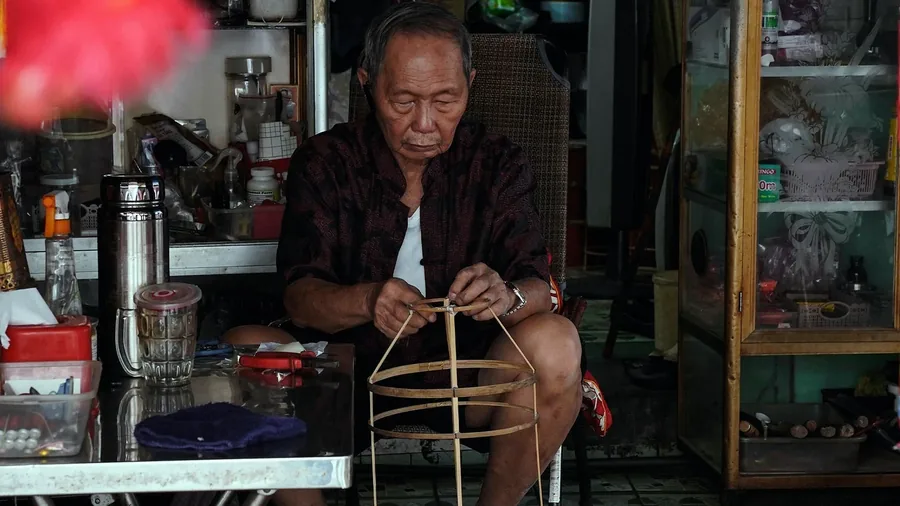
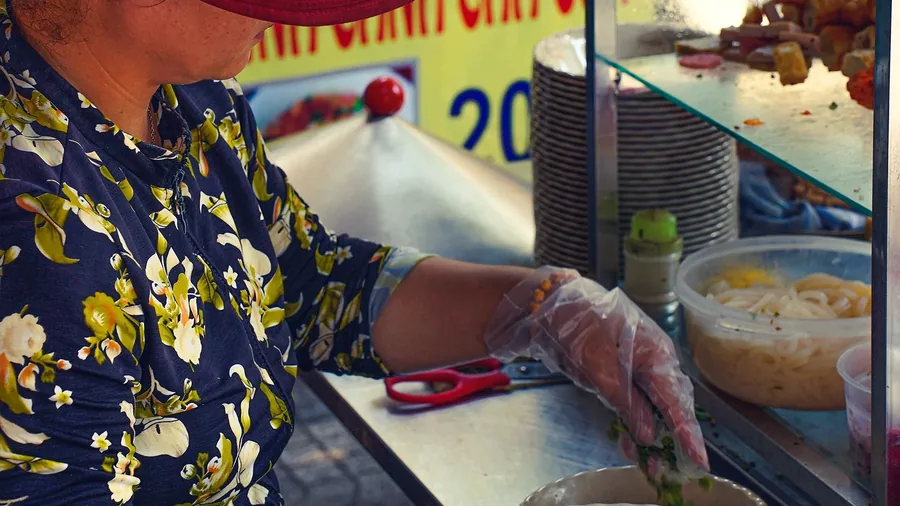
Saigon Central Mosque (Jamia Al-Musulman), built in 1935 by South Indian Muslims and still an active place of worship, is one of the clearest reminders that Indian Saigon was never a single Hindu or merchant story. Its position at 66 Đông Du places Muslim Indian life inside the same central streetscape that visitors usually read through colonial hotels, churches and French architecture. Read beside Mariamman Temple, the mosque widens the story to different religious, social and political lives moving through the same city.
This is not a walk through a single “Indian community,” and it should not be sold that way. It follows different people whose lives overlapped in colonial Saigon: Hindu and Muslim, merchants and workers, French citizens and colonial subjects, people who served imperial institutions and people who pushed against them. The surviving temples, mosque, streets and food traces are entry points into those lives rather than props for a fixed ethnic story.
For groups, educators and travel partners, the route can work as a short field module on colonial urban history, migration, Indian Ocean networks, minority religious spaces, food circulation and the many Asian connections that made Saigon more than a French colonial showcase.
These walks are best treated as starting points. For groups, families, educators or travel partners, the pacing and emphasis can be adjusted around timing, interests and group profile.
Next step
Choose your date and group size and book directly with SaigonWalks. Confirmation is sent by email after payment.