Follow the remarkable double life of journalist Phạm Xuân Ẩn through the Saigon he knew — press offices, old cafés, hotel corridors, courier routes and places where another city existed just out of sight.
Plan your walk
USD 130 total for 2 adults · USD 85 for 1 adult
Adult examples for the shared format. Select your date and group for the final total, including child rates or the private option.
By day, Phạm Xuân Ẩn was a respected journalist who worked among foreign correspondents, press offices, hotels and cafés in central Saigon. Behind that public life, he was also an intelligence officer whose reports moved quietly out of the city.
Over four hours, we follow both sides of that life. You will step inside a wartime house with concealed spaces, look at old maps and photographs over a drink, walk through the former press district, hear how couriers moved information through Chợ Cũ, and finish in the hotel-and-café world where reporters, officials and sources met face to face.
We begin with the hidden side of wartime Saigon, then move into the very public world in which Phạm Xuân Ẩn was known as a journalist and trusted colleague. Along the way, historic photographs and old maps help you picture streets, cafés and offices that have changed or disappeared.
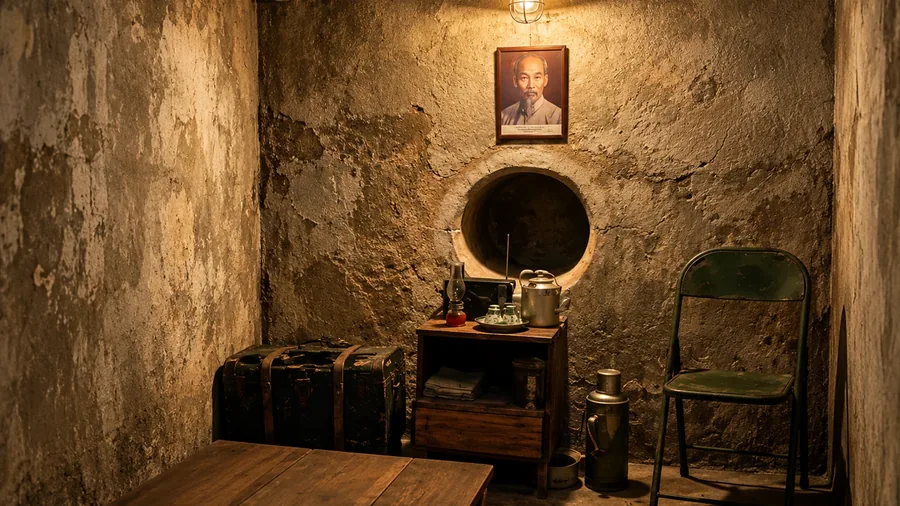
We begin inside a wartime house associated with the Saigon commandos. Concealed compartments, hidden passages and ordinary domestic rooms show how secrecy could be built into everyday life while remaining almost invisible from the street.
The house belonged to a different wartime network from Phạm Xuân Ẩn’s, but it gives you a rare chance to step inside the kind of hidden urban world that is otherwise difficult to imagine from documents alone.
Over a drink, we look at old street maps, photographs and former street names to picture the Saigon in which Ẩn worked — a compact city where newsrooms, cafés, hotel lobbies and familiar street corners were all part of the same social world.
Cục Gạch has no direct connection to Phạm Xuân Ẩn. It is simply a pleasant place to pause, refresh and look more closely at the photographs and maps before returning to the streets.

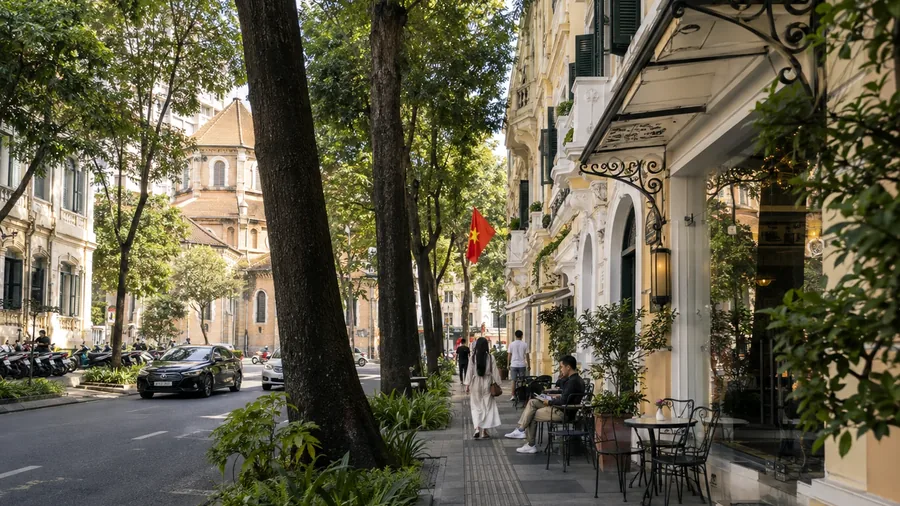
A surviving wooden house associated with American correspondent Beverly Deepe takes us into Phạm Xuân Ẩn’s public world: the close-knit community of reporters working in wartime Saigon.
Nearby are the former Time-Life and Reuters addresses around Hàn Thuyên. Here, Ẩn was not a mysterious outsider but a respected colleague. We look at how reporters worked, how sources and friendships mattered, and why his position at the heart of the press community made his double life so remarkable.
Around the former Chợ Cũ, one of the most memorable parts of Ẩn’s story unfolds in the most ordinary of settings. Market errands, baskets and familiar faces could help information move through a city where discretion mattered.
As we walk the same streets, you will hear how material could leave Ẩn’s hands and begin its journey out of central Saigon while daily life carried on around it.
The original Givral café and Eden building are gone, but this famous corner still opens a window onto the social life of the wartime press. Reporters, officials, fixers and friends traded news and gossip here long before stories reached print.
With old photographs in hand, we compare the corner today with the Givral that Ẩn knew and consider one of his greatest strengths: people naturally wanted to talk to him.
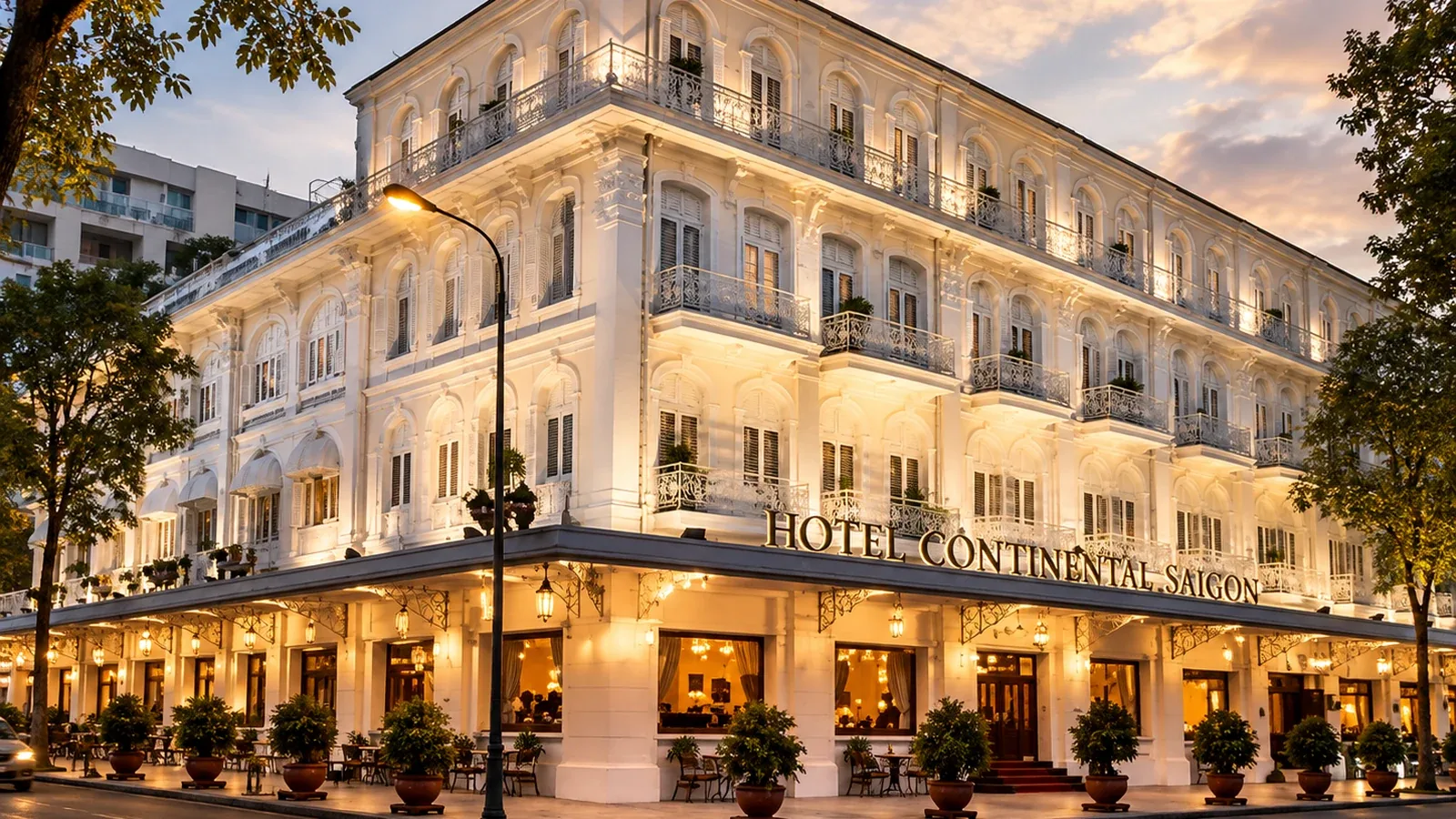
We finish at one of the best-preserved settings from wartime downtown Saigon. The Continental was part of the everyday world of correspondents, writers and visiting officials, and its corridors and public rooms still evoke the scale and atmosphere of the city they knew.
When hotel operations allow, SaigonWalks arranges an interior visit in advance. The exact rooms or corridors available can vary. Inside the Continental, we end by considering perhaps the most intriguing part of Ẩn’s story: how he could live such an important second life while remaining so visible in public.
Some wartime buildings survive; others have changed beyond recognition or disappeared. We carry a small set of old photographs, maps and former street names so you can compare the city in front of you with the one Phạm Xuân Ẩn knew.
Seeing the old and new side by side is part of the experience. Wartime Saigon has not been preserved as a museum district, but traces of it are still there in buildings, street alignments and places that have taken on new lives.
Ẩn worked for Reuters and later Time while also serving as an intelligence officer. His life brings together the foreign press community, the city’s social world and the clandestine networks operating alongside them. What makes the story extraordinary is how normal so much of his daily life appeared to the people around him.
We may adjust the order of stops slightly for traffic or opening conditions. We request access at Hotel Continental in advance, although the exact rooms or corridors available depend on hotel operations that day.
About the images: some images on this page are illustrations rather than historical photographs. During the walk, we use archival photographs and maps to compare wartime Saigon with the city today.
Next step
Choose your date and group size and book directly with SaigonWalks. Confirmation is sent by email after payment.