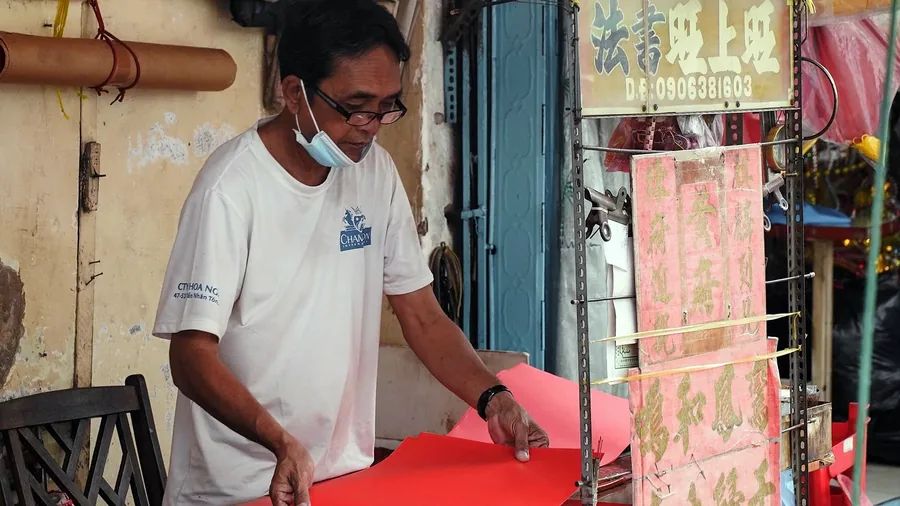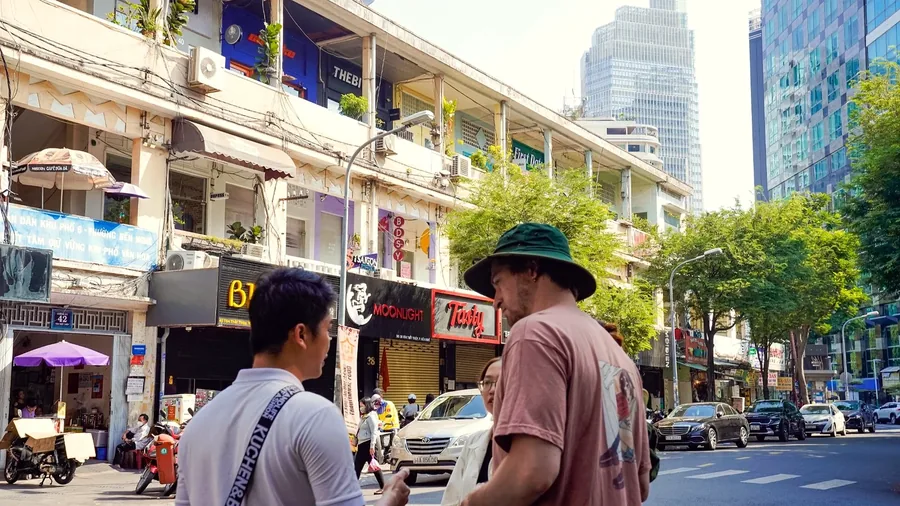

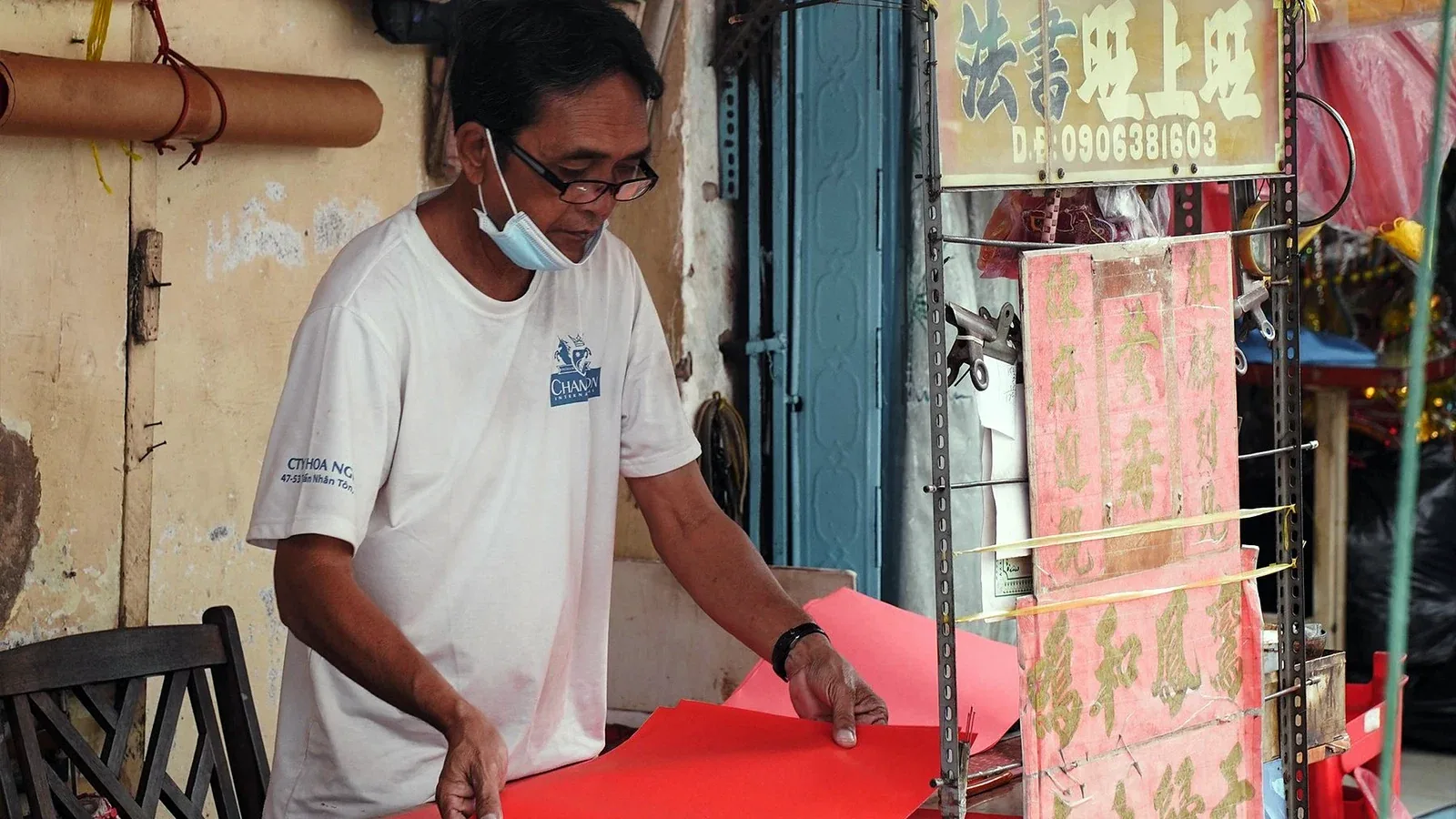
In Saigon, places of worship are not quiet exceptions to the city. They are part of how the city works.
A temple is easy to misread if you arrive only as a visitor. The building looks like heritage. The incense looks like atmosphere. The statues, offerings and colours look like culture placed in front of you. But a working temple is not only an object of attention. It is a social machine.
In Saigon, places of worship often carry more than belief. They hold migration histories, family obligations, business rhythms, neighbourhood memory and small acts of repair. A person stops before opening a shop. A family marks a death anniversary. A trader makes an offering before a difficult week. A community keeps a language, a goddess, a festival or a form of mutual recognition alive.
This is why temples matter for field learning. They make the private public without fully explaining it. They show how religion can be practical without becoming merely instrumental. They show how migration leaves institutions, not only stories.
A temple is not a pause from the city. It is one of the ways the city steadies itself.
A Hindu temple near a central market, a Chinese-Vietnamese communal hall in Chợ Lớn, a small altar inside a shopfront, a Catholic church folded into an older neighbourhood — each belongs to a different history, but all show the same larger point. Belief is not always separate from commerce, family, memory and urban survival. It often sits beside them.
For experiential travellers, this requires a quieter way of looking. The point is not to decode every symbol or photograph every offering. The point is to notice what kind of social life the place supports. Who comes? At what time? For what reason? What does the site make possible that the street alone does not?
For educators, temples open a route into larger questions: diaspora, ritual, secular urban space, syncretism, public-private boundaries, colonial legacies, minority communities, gendered practice and the ethics of observation.
A temple is not a pause from the city. In Saigon, it is one of the ways the city remembers, organizes and steadies itself.