
The word is convenient. It also hides the Southeast Asian story that makes the district matter.
Calling Chợ Lớn Saigon’s Chinatown is not completely wrong. It is worse than wrong in a more interesting way: it is convenient.
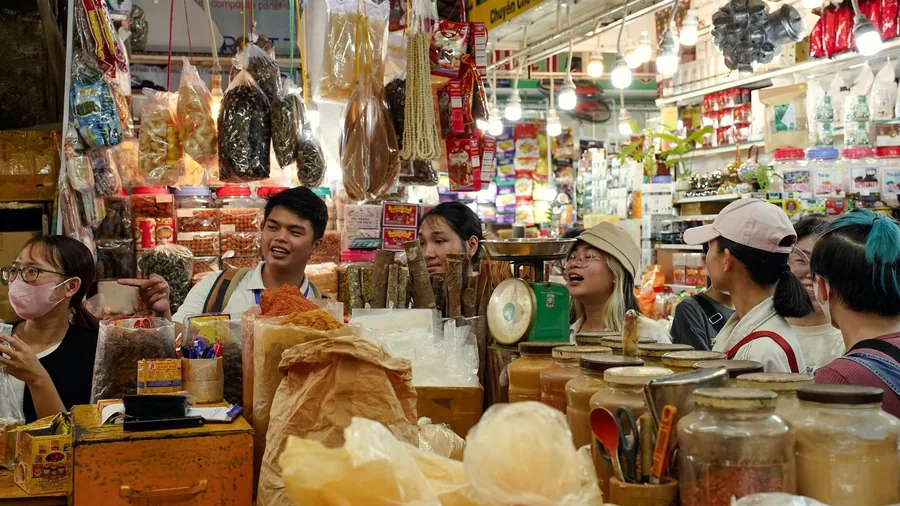
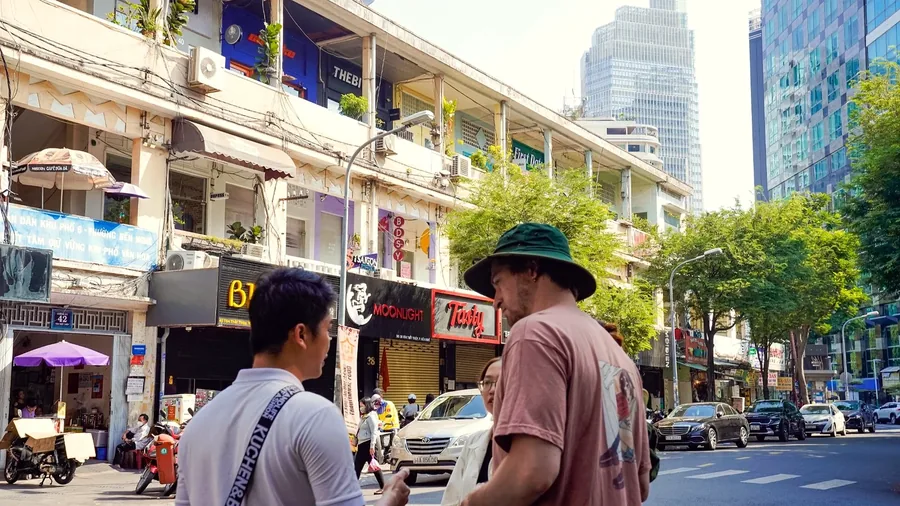
The word gives visitors a quick handle. Lanterns, temples, herbal shops, roast meats, dialect groups, shophouses, communal halls — all of these can seem to confirm the label. But convenience has a cost. It makes Chợ Lớn sound like an ethnic exhibit inside a Vietnamese city, when the district is better read as a commercial, migratory and religious system that has helped shape the city itself.
Chợ Lớn was not built to be picturesque. It grew through trade, arrival, settlement, fire, rebuilding, colonial management, war, departure, return and adaptation. Its institutions were not created for visitors to photograph. Temples, guild halls and associations helped people organize trust, worship, burial, credit, language, charity and belonging in a new landscape.
The word Chinatown is useful at first glance. Chợ Lớn asks for a second one.
That makes the district Southeast Asian as much as Chinese. It belongs to a regional history of movement across ports, rivers and colonial economies. Families carried dialects, gods, recipes, business practices and obligations across water. Some traces remained visible. Others were absorbed into the everyday life of Saigon.
For travellers, the Chinatown label can produce lazy seeing. It encourages a hunt for signs of Chineseness instead of attention to how Chinese-Vietnamese life has been negotiated locally. For educators, the district is more valuable when treated as a case study in migration, identity, urban memory and adaptation under pressure.
The best way to walk Chợ Lớn is not to collect symbols. It is to notice how temples sit beside commerce, how breakfast preserves affiliation without making a speech, how old shophouses hold family memory, how a district can be both distinct and inseparable from the city around it.
Chợ Lớn is not less interesting when we stop flattening it into Chinatown. It becomes more serious. It becomes a way to read Saigon as a port city shaped by movement, not a city with one exotic quarter attached.