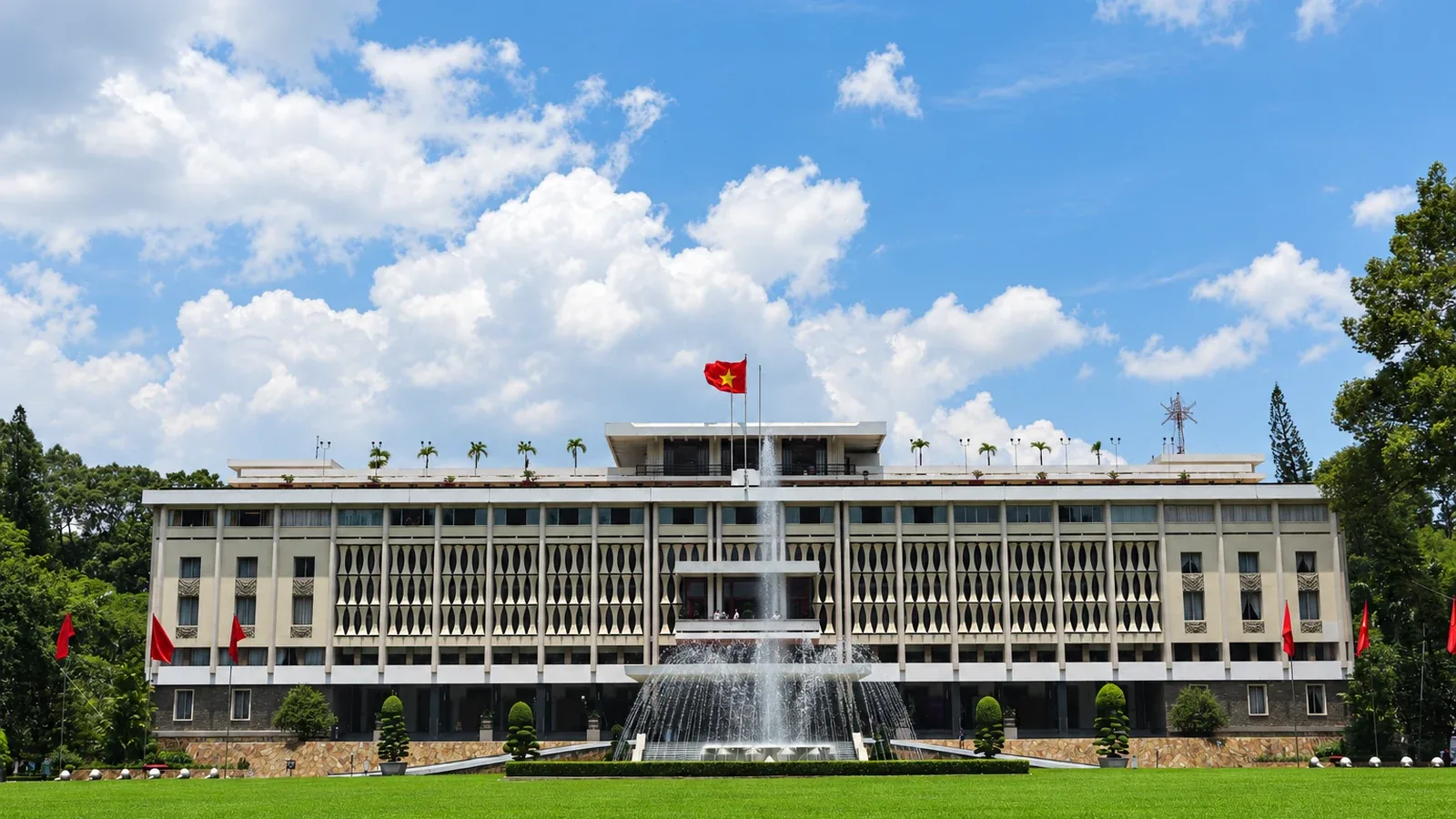
Spend a full day exploring how Southern timber buildings, pottery traditions, colonial landmarks and Vietnamese modernism tell the story of Saigon and its wider region.
We begin with Southern Vietnamese timber architecture and the craft traditions that shaped houses, communal buildings and everyday interiors, then return to central Saigon to explore the colonial civic city and the distinctive modernism that followed.
The morning takes you north to Bình Dương for a traditional communal house, a historic home and the pottery heritage of Lái Thiêu. After lunch, we return to District 1, where grand colonial buildings and twentieth-century modernism sit within a compact walkable centre. Seeing them in the same day makes the contrasts in materials, climate, ornament and ideas of city life especially clear.
We start in Bình Dương, where traditional communal and domestic architecture survives at full scale, continue through Lái Thiêu’s old pottery district, then return to central Saigon for an afternoon among colonial landmarks and Vietnamese modernist buildings.
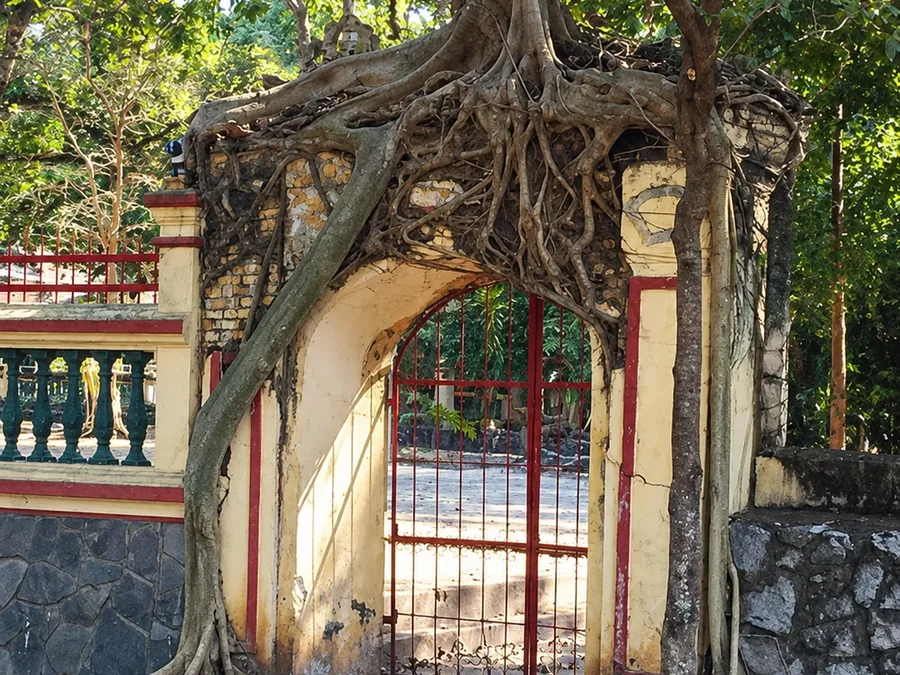

At Tân An–Bến Thế communal house, we look closely at how a Southern đình is put together: its timber structure, layered roofs, carved details, ceremonial spaces and relationship with the surrounding trees and grounds. In Thủ Dầu Một, a late-nineteenth-century house brings the story down to the scale of family life, craftsmanship and domestic space.
From there we continue to Lái Thiêu, where remnants of the old pottery industry still sit within the modern neighbourhood. At Vườn Nhà Gốm, you can see Southern ceramics up close, including the Lái Thiêu and Biên Hòa traditions, and notice how colour, glaze and ornament found their way into homes, gardens and everyday objects.
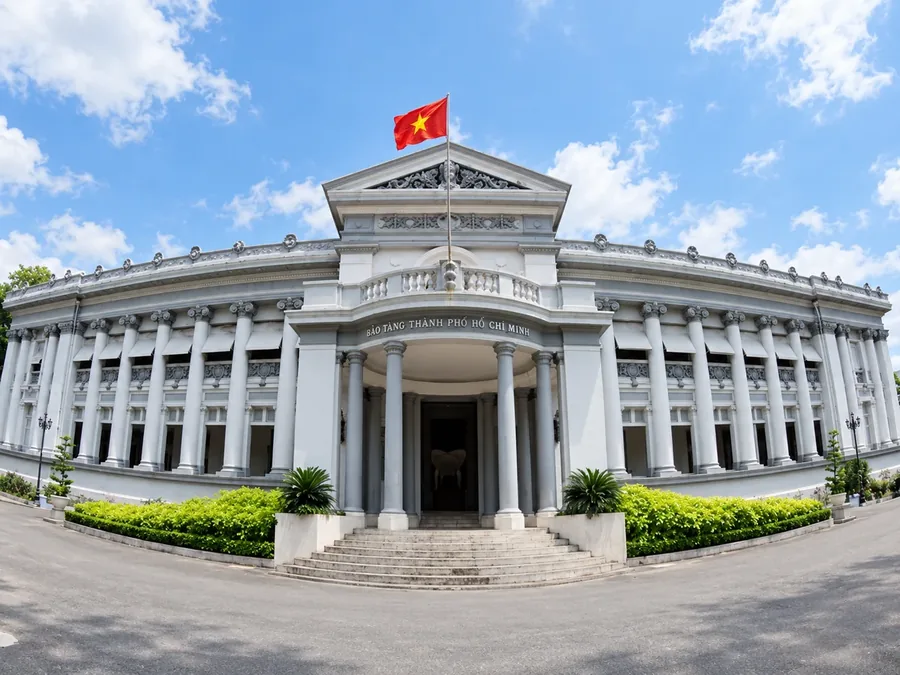
Back in District 1, we walk among Notre-Dame Cathedral, the Central Post Office, Gia Long Palace, the Opera House and City Hall. Together, these buildings show how colonial Saigon was planned, represented and given a new civic centre — not simply a collection of photogenic façades.
The day then moves into twentieth-century Vietnamese modernism through the Independence Palace, the General Sciences Library and selected townhouses and façades. We pay attention to shade, ventilation, screens, concrete, proportion and the inventive ways modern buildings were adapted to Saigon’s tropical climate.
One of the most interesting stops in Lái Thiêu is a former pottery-kiln area rather than a ticketed attraction, so access can vary from day to day. When entry is possible, we take a closer look at the surviving kiln; if not, we view the visible remains from accessible areas and continue the pottery story at Vườn Nhà Gốm. Access inside some downtown buildings also depends on opening hours and the rules of each site.
We normally visit Bình Dương in the morning and return to central Saigon after lunch. The order of individual stops may change slightly with traffic, opening hours or local access conditions.
Next step
Share your date, group size, interests and hotel area. We will reply with availability and a simple next step.